Learn any subjectin just a few minutes each day
If you have knowledge worth remembering — an article, a paper, a page of your own notes — we'll structure it into flashcards and ask you a few each day, until you know it.
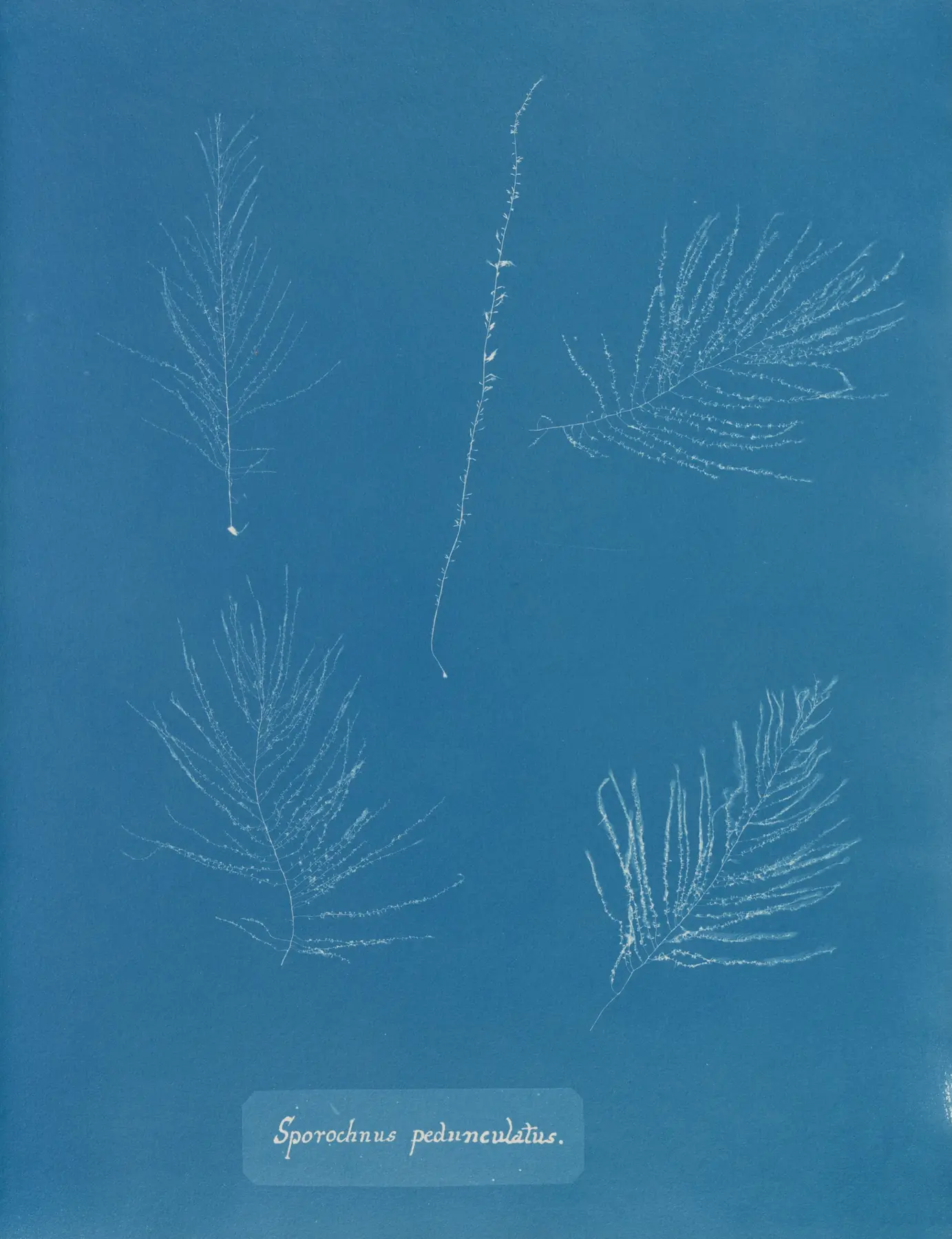
Anna Atkins, Sporochnus pedunculatus, c. 1843–53
You forget half of what you learn within the hour.
Hermann Ebbinghaus measured it in 1885, and wrote down the remedy in the same book. Flora is the meeting halfway: a few questions a day, timed for just before you'd forget.
| After | Work saved on relearning | Forgotten |
|---|---|---|
| 20 minutes | 58.2% | 41.8% |
| 1 hour | 44.2% | 55.8% |
| 9 hours | 35.8% | 64.2% |
| 1 day | 33.7% | 66.3% |
| 2 days | 27.8% | 72.2% |
| 6 days | 25.4% | 74.6% |
| 31 days | 21.1% | 78.9% |
“We must not wait until the series of ideas committed to memory return to consciousness of themselves, but we must meet them halfway.”
Little and often beats the night before. Spread out, 38 repetitions did the work of 68 crammed into one sitting.
Using AI to make you smarter, not the other way around
AI is smart, but it's not a replacement for your unique brain. Flora uses AI to do the work of turning what you give it into questions worth answering, and then gets out of the way. You're the one who answers the questions, and the one who remembers the answers when you need them.
You can always edit, delete, or write new flashcards yourself, whether they were created by AI or not.
Things get clearer through repeated exposure
Whatever you're curious about
Most learning apps have already picked the subject for you. Flora adapts to any subject matter.
Which grape is white Burgundy made from?
Chardonnay
The thing you keep meaning to learn
Wine regions, Rust's borrow rules, the bones of the hand, everyone's names at the new job. If it's written down somewhere, it can be a deck.
The things only you would know
Write your own cards whenever you'd rather. They join the same rotation and come back on the same schedule.
Start with one thing you'd hate to forget.
Start learningThe plates on this page are Anna Atkins's, from Photographs of British Algae: Cyanotype Impressions (1843–53), the first book illustrated with photographs. This copy is the one she gave to Sir John Herschel; it's in the New York Public Library now, which scanned it and released the scans into the public domain. A cyanotype darkens the longer it is exposed, which is where the blue on every card here comes from — and the blue itself is measured off Atkins's prints rather than picked.